

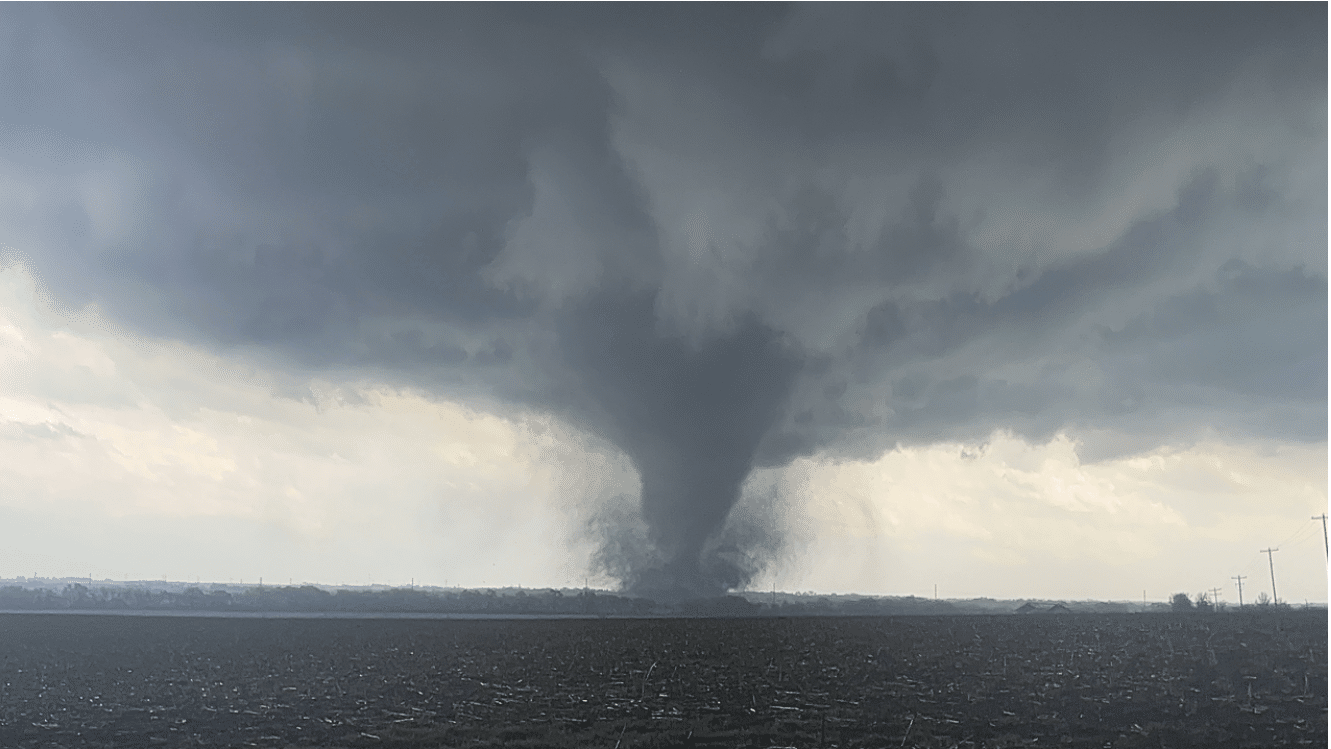
For a while, many of us believed we were living through a transitory storm.
When the pandemic arrived, we adapted. We improvised. We worked harder than we thought possible. We told ourselves that if we could just get through this moment, things would settle down.
But they didn’t.
Over the past five years, our team at Creation in Common has had the opportunity to listen to thousands of nonprofit leaders, staff members, board members, public servants, and community members. What we’ve heard is remarkably consistent: The challenge is no longer responding to a crisis. It’s learning how to operate when disruption becomes the weather.
The storm never really ended—it just changed forms.
First it was COVID. Then workforce shortages. Then inflation, housing pressures, political uncertainty, and funding volatility. Layer upon layer, many organizations are trying to meet growing community needs while simultaneously protecting the people and systems that make your work possible.
As we reviewed 28 environmental scans conducted between 2020 and 2025, seven indicators emerged that seem to define this new reality.
- Mission impact despite instability
Organizations continue to create meaningful impact, even under difficult conditions. - Demand pressure relative to capacity
Need continues to rise faster than organizational capacity. - Workforce sustainability
Burnout, staffing shortages, and retention have become strategic concerns, not just HR concerns. - Systems and infrastructure readiness
Technology, workflows, and internal operations increasingly determine an organization’s ability to serve. - Financial stability and strategic flexibility
The challenge is often not simply funding, but flexible funding that allows organizations to adapt. - Collaboration and external leverage
Partnerships have become essential infrastructure for accomplishing the mission. - Strategic clarity and tradeoff discipline
Organizations can no longer pursue everything. Clear priorities matter more than ever.
If you’re feeling these pressures in your organization, you’re not alone. In many ways, these seven indicators have become the new baseline for social impact work.
The good news is that resilience is not about returning to how things were.
The organizations that appear to be thriving aren’t waiting for stability to return. They’re practicing what we call continuous renewal—strengthening their people, refining their systems, deepening partnerships, clarifying priorities, and adapting while remaining grounded in their mission.
Resilience isn’t standing still in the storm.
It’s learning how to move forward while the wind is still blowing.
(Image: NOAA National Weather Service Office Omaha, Nebraska/Katie Wargowsky, Public domain, via Wikimedia Commons)